
Wastewater Systems Built for Long-Term Functionality
Septic System Installation in Frankfort for Properties Without Municipal Sewer Access
Carter Septic, LLC designs and installs septic systems for residential and commercial properties across Frankfort, Versailles, Georgetown, and Owenton, Kentucky. The service addresses wastewater treatment needs where municipal connections are unavailable or cost-prohibitive. Installation begins with soil percolation testing to determine the ground's natural filtration capacity, a critical step that dictates drain field size and placement.
The system uses gravity or pumps to direct household wastewater into a watertight underground tank where solids settle and liquid effluent flows into a drain field for natural soil filtration. Site evaluation includes engineering design to comply with local health department regulations, followed by excavation, tank placement, connection of drainage lines from the building to the tank and drain field, and final backfill with system testing. Proper installation ensures correct capacity, appropriate drainage slopes, and adequate soil treatment capabilities that prevent backup risks and groundwater contamination.
Request an on-site soil evaluation to determine system requirements for your property.
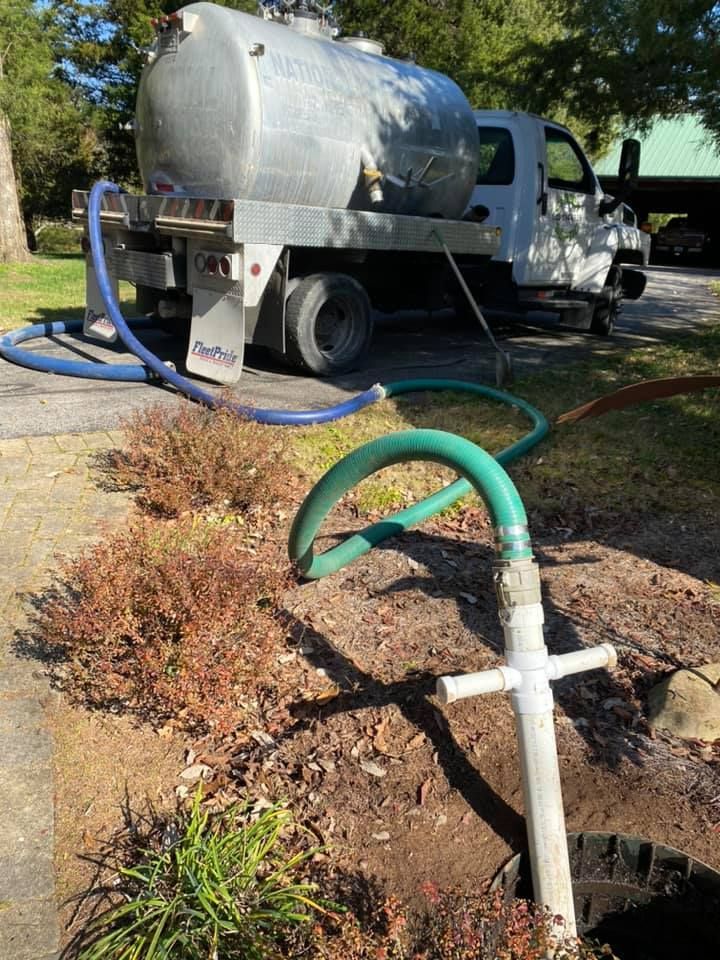
Why Installation Standards Determine System Lifespan
Correct installation depends on matching tank volume to daily wastewater output, positioning the drain field at precise depth and slope angles for gravity flow, and using soil percolation rates to size the absorption area. The tank must be perfectly level to allow solids to settle evenly in the bottom while scum rises to the top, creating a clarified middle layer that flows to the drain field. Inlet and outlet baffles prevent floating scum from exiting the tank and entering distribution pipes.
After completion, the system operates invisibly—wastewater exits the home through a single main line into the tank, where solids remain while liquid effluent moves through perforated pipes into gravel-lined trenches for soil absorption. You see no pooling water on the lawn surface, smell no odors near the drain field, and experience normal drainage from all household fixtures. Carter Septic, LLC performs final water flow testing through home plumbing to confirm the system handles peak usage loads without surfacing.
Installation timelines vary based on soil conditions, excavation access, and required engineering approvals from county health departments. Rocky or clay-heavy soils may require alternative drain field configurations or sand mound systems to achieve adequate filtration. Systems designed for high water tables in parts of Versailles and Georgetown often incorporate raised bed drain fields to maintain separation distance between effluent and groundwater.
Questions Property Owners Ask Before Installation
Septic installation involves multiple regulatory steps and site-specific engineering decisions that affect long-term system performance and property use.
What determines the size of the septic tank and drain field?
Tank volume is calculated based on the number of bedrooms in the home, which serves as a proxy for daily wastewater generation, while drain field size depends on soil percolation test results that measure how quickly the ground absorbs liquid.
How does soil type in Frankfort affect installation requirements?
Clay-rich soils common in central Kentucky percolate slowly, requiring larger drain field areas or engineered sand fill systems to achieve the necessary absorption rate and prevent effluent from surfacing during wet weather.
When should installation happen relative to home construction?
The system is typically installed after the foundation is complete but before final landscaping, allowing heavy equipment access and preventing compaction damage to the drain field from construction traffic.
What permits are required before installation begins?
Local health departments issue permits after reviewing engineered system designs, soil test results, and site plans to verify compliance with setback distances from wells, property lines, and surface water.
How long does a properly installed system last before major repairs are needed?
Tanks themselves can function for decades if structurally sound, but drain field longevity depends on soil conditions, pumping frequency, and household water use patterns, with many systems operating twenty to thirty years before field replacement becomes necessary.
Carter Septic, LLC handles site assessment, permitting, and installation for properties throughout Frankfort, Versailles, Georgetown, and Owenton. Schedule a property consultation to review soil conditions and system design options specific to your building site.