
Detailed Assessments of System Condition and Capacity
Septic Inspections in Georgetown for Real Estate Transactions and Compliance Documentation
A septic inspection is a technical assessment of system structural integrity, operational capacity, and component condition performed before property sales, after extended vacancy periods, or as preventive maintenance. The inspector locates and uncovers tank access lids, measures scum and sludge accumulation levels, inspects baffles and tank walls for cracks, runs water flow tests through household fixtures, and checks the drain field surface for standing water, odors, or vegetation stress. Carter Septic, LLC conducts inspections across Georgetown, Frankfort, Versailles, and Owenton to document system functionality and identify early signs of component wear or drain field overload.
Inspections reveal whether the tank requires immediate pumping, whether baffles remain structurally sound, and whether the drain field absorbs effluent without surfacing. Water flow testing through sinks, toilets, and showers while observing tank inlet confirms proper drainage slope and absence of pipe blockages. Drain field evaluation includes walking the surface area to detect soft spots, odors, or unusually green grass that indicate effluent is rising instead of absorbing into deeper soil layers.
Schedule a pre-sale inspection to provide documented system condition for potential buyers.
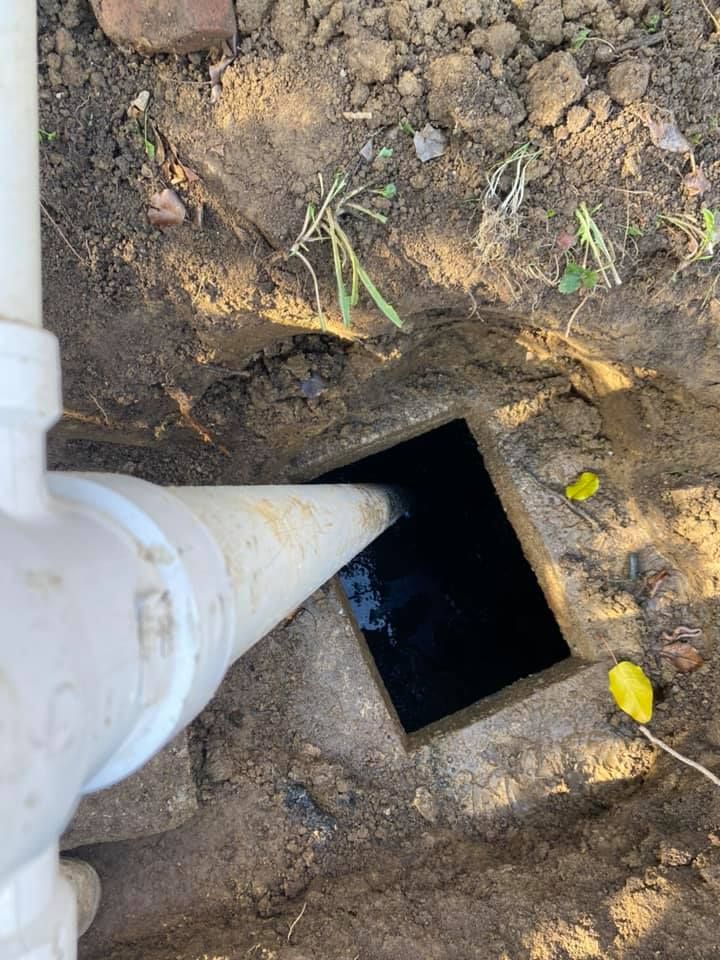
What Proper Inspection Evaluates Beyond Visual Check
Inspectors measure the depth of solids accumulation inside the tank using a probe to determine whether sludge and scum layers have reached levels that risk overflow into the outlet pipe. Baffles are checked for structural integrity, as deteriorated baffles allow solids to exit the tank prematurely. Concrete tanks are inspected for cracks or joint separations that could leak untreated wastewater into surrounding soil, and risers are verified to be sealed and accessible for future maintenance.
After the inspection, you receive a written report detailing tank condition, sludge depth measurements, baffle status, and drain field performance observations. The report identifies immediate concerns such as needed pumping or minor repairs, and it provides a baseline record of system condition for future reference or buyer assurance. Properties in Georgetown and Versailles with older systems benefit from inspections that reveal component wear before failure causes backup emergencies.
Inspections do not pump the tank or perform repairs, but they provide the diagnostic information necessary to plan maintenance schedules and budget for future service needs. Systems serving larger households or those approaching typical pumping intervals receive particular focus on solids accumulation rates and baffle condition, as high usage accelerates wear on both tank components and drain field capacity.
Answers to Frequent Inspection Questions
Inspections provide detailed condition reports that inform maintenance decisions, real estate transactions, and compliance requirements for septic system owners.
What specific measurements are recorded during an inspection?
Inspectors document scum layer thickness, sludge depth from the tank bottom, distance between the sludge surface and the outlet baffle, tank liquid level, and any visible cracks or structural damage to the tank or baffles.
How does an inspection differ from routine pumping service?
Pumping removes accumulated solids but does not assess structural integrity, baffle condition, or drain field performance, while inspections evaluate all system components without necessarily emptying the tank unless solids have reached critical levels.
When is an inspection required for property sales in Frankfort and surrounding areas?
Many lenders and buyers require septic inspections as a condition of sale to verify the system functions properly and to estimate remaining useful life, particularly for homes over fifteen years old or properties with unknown maintenance history.
Why do inspectors check the drain field surface for vegetation patterns?
Unusually lush or green grass above drain field lines indicates effluent is surfacing and fertilizing the lawn rather than percolating through soil, signaling field saturation or failure that requires immediate attention.
How often should inspections be performed on normally functioning systems?
Systems benefit from inspection every three to five years to catch early component wear, verify pumping schedules remain adequate for current household size, and document condition for future service planning or resale purposes.
Carter Septic, LLC provides thorough septic inspections for properties throughout Georgetown, Frankfort, Versailles, and Owenton, delivering written reports that document system condition and guide maintenance planning. Contact the office to arrange an inspection appointment and receive a detailed assessment of your system's current operational status.