
High-Volume Waste Extraction for Business Operations
Commercial Wastewater Pumping in Frankfort for Restaurants, Industrial Facilities, and High-Occupancy Buildings
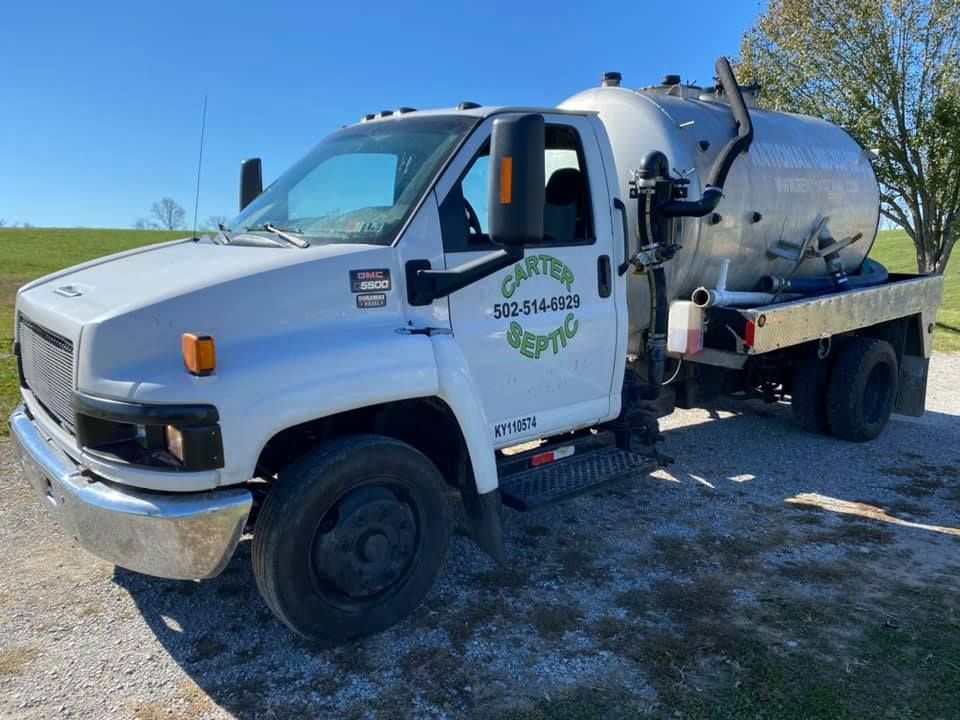
Commercial septic systems, grease traps, and lift stations accommodate significantly higher fluid volumes and specialized waste mixes than residential systems, requiring frequent heavy-duty liquid waste extraction and high-capacity holding tanks. Restaurants generate grease-laden wastewater that solidifies in traps and requires removal before it clogs main sewer lines, while industrial facilities produce chemical-contaminated effluent or high organic loads that exceed standard septic treatment capacity. Industrial vacuum tankers purge commercial septic tanks, grease traps, and lift stations, removing heavy sludge buildup and clearing inlet and outlet pipelines with high-pressure water jetting when necessary. Carter Septic, LLC serves commercial properties in Frankfort, Versailles, Georgetown, and Owenton, legally hauling waste for municipal or specialized treatment disposal to maintain compliance with environmental regulations.
Commercial pumping schedules are dictated by waste volume and regulatory requirements—grease traps may need monthly service, while larger septic tanks serving office buildings or manufacturing facilities require quarterly or semi-annual pumping. High-pressure jetting removes grease buildup from pipe interiors, restoring full flow capacity and preventing blockages that cause backups into kitchen or restroom facilities during peak business hours.
Arrange routine pumping service to prevent wastewater backups that disrupt business operations and violate health codes.
What Commercial Pumping Prevents in High-Use Facilities
Commercial systems fail rapidly when pumping is delayed because daily waste volumes quickly exceed holding capacity, causing overflows, odors, and regulatory violations. Grease traps in restaurant kitchens fill with solidified fats that block drain lines to dishwashers and sinks, halting food preparation until the trap is pumped and lines are cleared. Lift stations that pump wastewater uphill to municipal sewer connections rely on mechanical pumps that jam or burn out when solids accumulate, requiring emergency service to restore flow and prevent sewage backup into the building.
Regular pumping keeps all wastewater systems operational without interruption—drains flow freely, grease does not accumulate in pipes, and lift station pumps operate without clogging or motor strain. Businesses avoid health department citations, maintain safe sanitary conditions for employees and customers, and prevent costly emergency service calls that result from neglected maintenance. Properties in Frankfort and Georgetown with commercial kitchens benefit from scheduled grease trap pumping that prevents solidified fats from entering municipal sewer systems, where they contribute to blockages and infrastructure damage.
Pumping service includes waste manifesting and disposal documentation required for compliance with state and federal wastewater regulations. Certain industrial waste streams require specialized disposal at permitted facilities rather than standard municipal treatment plants, and licensed haulers ensure proper handling and legal disposal of regulated materials.
Questions Business Owners Have About Wastewater Service
Commercial wastewater pumping addresses regulatory compliance, operational continuity, and infrastructure protection for businesses generating high-volume or specialized waste streams.
What determines how often a commercial system needs pumping?
Service frequency depends on daily wastewater volume, tank or trap capacity, and local regulations—restaurants often require monthly grease trap pumping, while office buildings with septic systems may need quarterly service based on occupancy levels.
How does high-pressure jetting differ from standard pumping?
Jetting uses focused water streams at pressures exceeding three thousand pounds per square inch to scour grease, mineral deposits, and organic buildup from pipe interiors, restoring full diameter flow capacity that pumping alone cannot achieve.
Why do grease traps require more frequent service than septic tanks?
Grease solidifies quickly as wastewater cools, and traps fill rapidly in commercial kitchens where large volumes of fats, oils, and grease enter drains daily, requiring removal before capacity is exceeded and grease flows into sewer lines.
When should lift station pumps be inspected during pumping service?
Technicians check pump operation, float switch function, and intake screen condition during each pumping visit to catch mechanical wear before failure causes backup emergencies that halt business operations and require costly emergency repairs.
How are commercial waste disposal costs calculated compared to residential pumping?
Commercial pricing reflects higher waste volumes, specialized disposal requirements for certain waste types, and more frequent service schedules, with costs typically structured as monthly or quarterly contracts based on tank size and usage patterns.
Carter Septic, LLC provides commercial wastewater pumping for businesses throughout Frankfort, Versailles, Georgetown, and Owenton, offering scheduled service agreements that ensure compliance and prevent operational disruptions. Contact us to establish a pumping schedule tailored to your facility's waste volume and regulatory requirements.